
Pola
2020 / A slow design artefact for displaying images

Pola is an interactive photo frame inspired by vintage polariod photos, the inaccessibility of modern online-photo storage and the slow design philosophy.
The frame displays a photograph from an online collection on its screen for a couple of days before fading the photo to black. When the owner notices the faded-out frame, they have to shake the frame to make a new photograph appear. By this interaction, a short moment of conscious interaction with the technology is created, before ultimately fading into the background again.
Role:
Concept, Research, Prototyping, Programming, Evaluation, Continued work
Context:
Chalmers University of Technology; Master Programme in Interaction Design & Technology; Course: Tangible Interaction; Group project with Daniel Duvanå, Julia Wallén and Yibin Huai.
Design Challenge
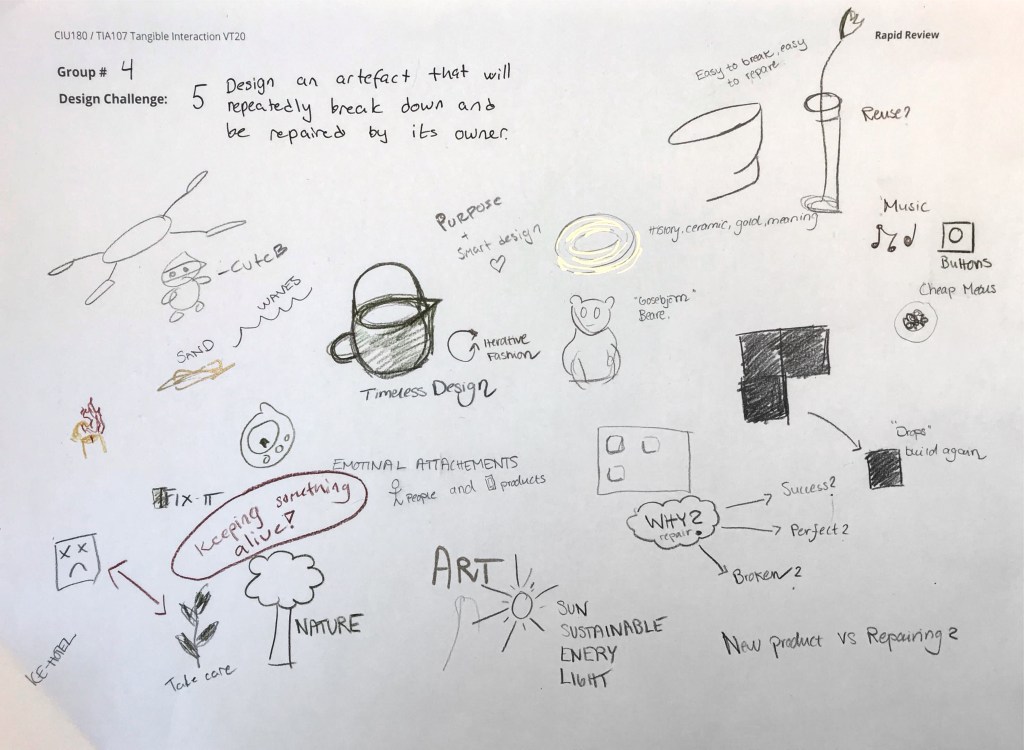
The initial challenge for Pola was to design an artefact that would repeatedly break down and be in need of repair by its owner.
Our first ideation led us to consider the act of repairing as a contemplative action. We decided to work within the design space of slow technology in the home environment to further accommodate this.
Research and Ideation
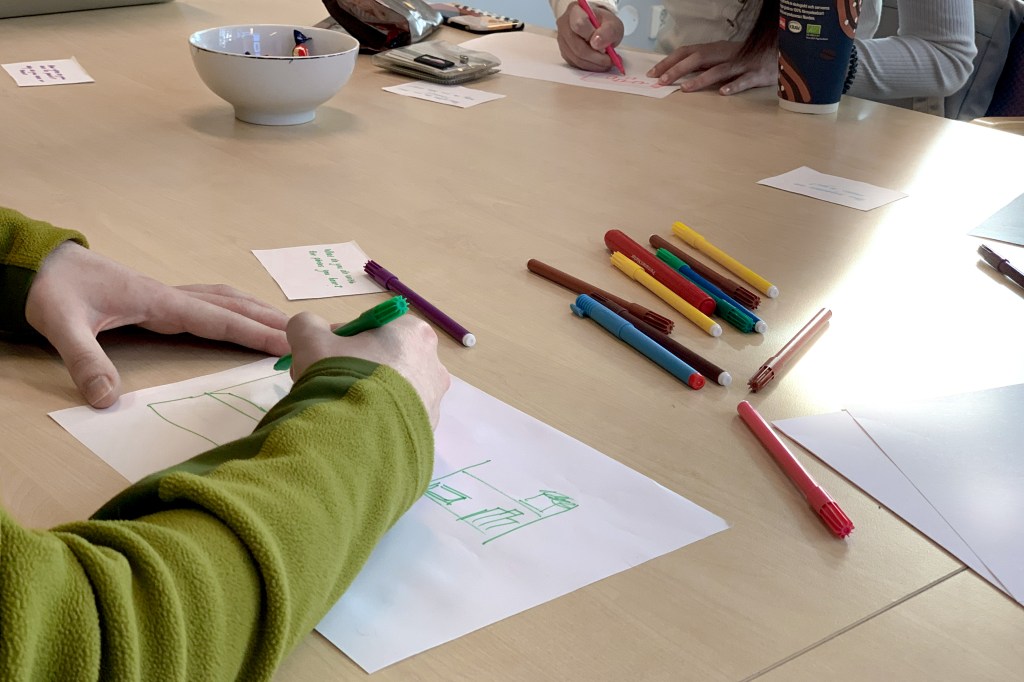
By conducting interviews and home-visits, we learned that people most often choose to repair things for two different reasons: Because the thing that broke is expensive, or because it has a nostalgic value. Nostalgic and sentimental objects are often things like notebooks, gifts or photographs.
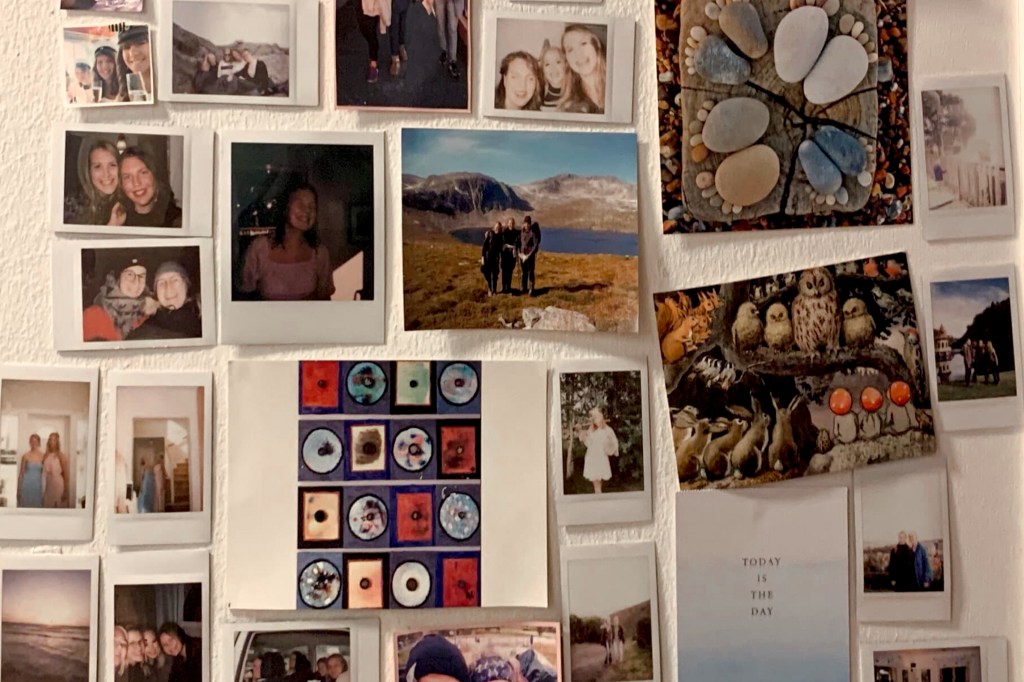
During the home-visits, two participants described how they would often forget that they had pictures on their walls:
“We have probably stopped noticing the pictures. I usually just pick them up when they fall down. When people are visiting, they go straight for them. I actively look at the pictures when putting them back up.”
Quote from home visit during user research.
The concept for the artefact then a photo-frame that would adapt similar cycles of being forgotten and remembered.
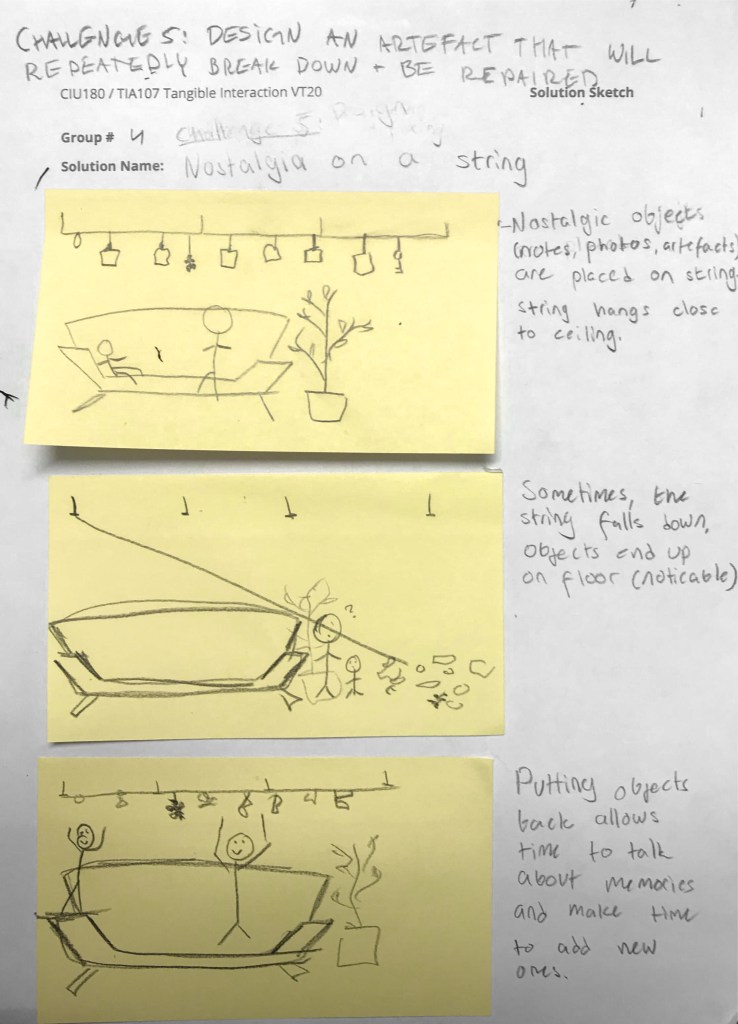
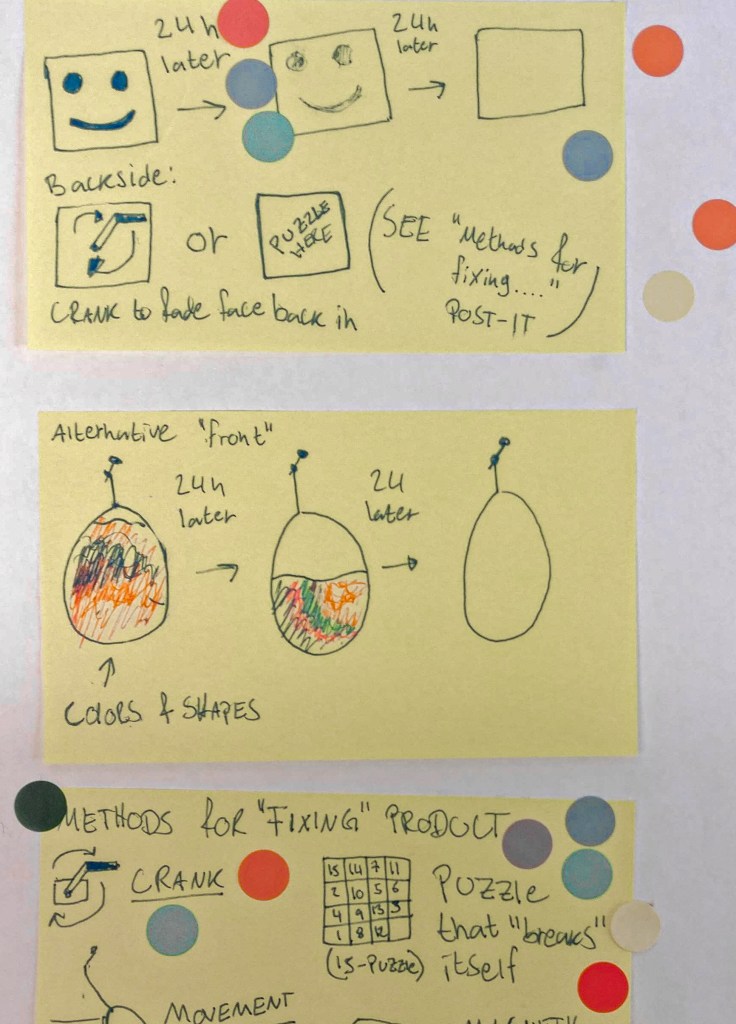
Further fine-tuning of the concept lead us to adapt the symbolic representation of old photographs in several aspects.
When being “forgotten”, the photo frame will fade away to nothing. To be remembered, the photo requires a shaking action to fade back into view.

Prototyping
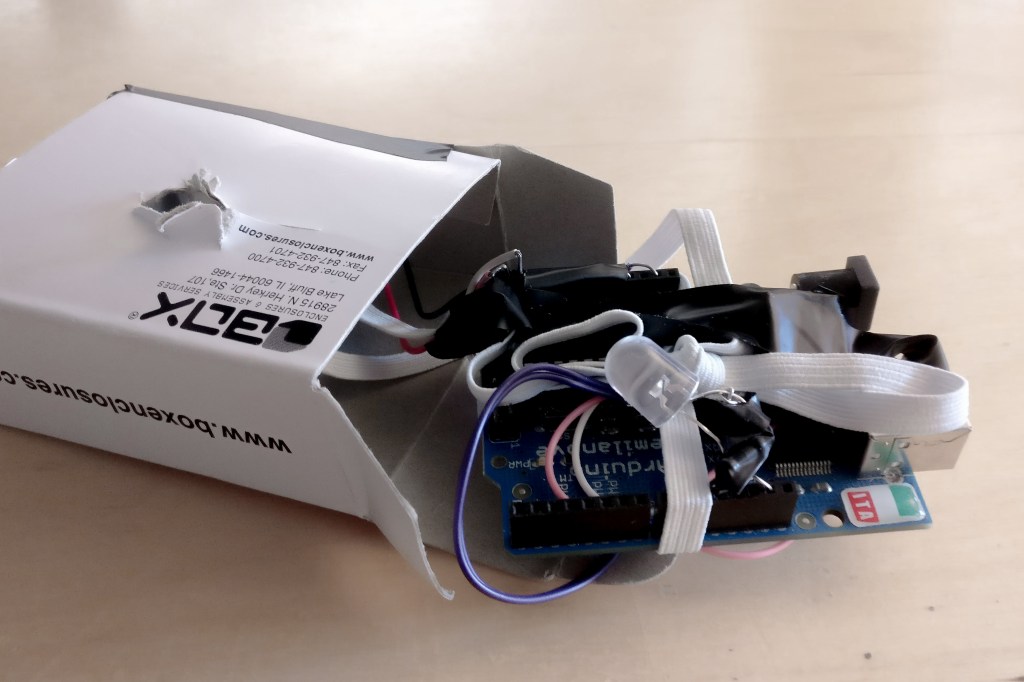
An initial technical test was conducted with an arduino, a led light and an IMU sensor, to explore the possibilities of the interaction.

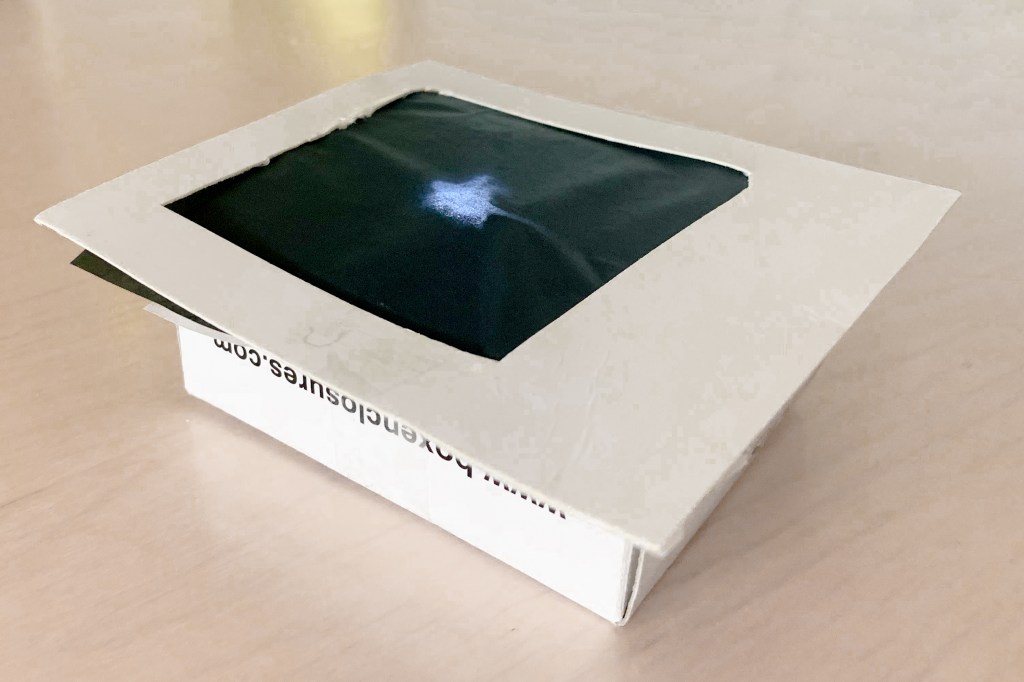
The final prototype was constructed with a Raspberry Pi 4, a hyper pixel screen-hat and an IMU sensor. The entire prototype was built in Python.

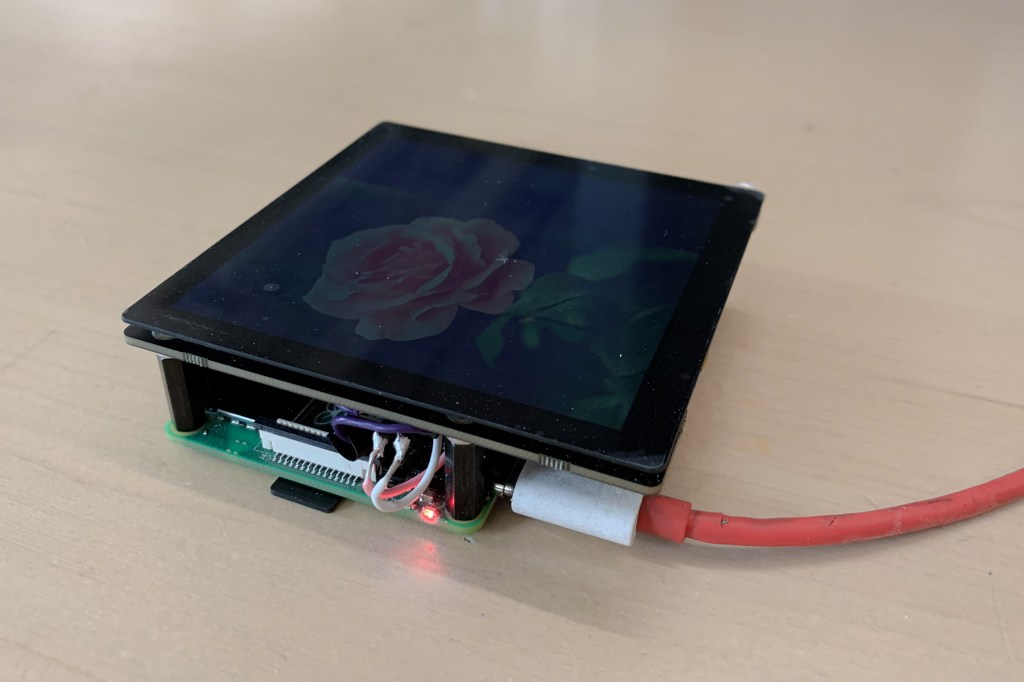
Final user testing focused on the “shakeability” of the case and on connotations to existing tangible technologies.


Final Design
The first iteration resulted in a functional exhibition prototype. Due to pandemic restrictions, the prototype was only demonstrated online.
 Tora Bodin